
A dangerous misconception persists within the oral healthcare community: many dental practices believe they are flying beneath the regulatory radar of federal investigators. Because dental offices rarely handle large-scale, inpatient medical care, practitioners frequently assume that HIPAA compliance is a burden reserved exclusively for large hospitals and medical groups.
This assumption is entirely false.
The U.S. Department of Health and Human Services (HHS) Office for Civil Rights (OCR) actively regulates and enforces HIPAA compliance across all dental specialties—including general dentistry, orthodontics, periodontics, and oral surgery. If your practice transmits even one standard transaction electronically, such as submitting a digital dental insurance claim or checking patient eligibility online, you are legally classified as a Covered Entity.
Treating HIPAA compliance as an afterthought doesn’t keep you under the radar—it makes your practice a prime target for severe financial penalties.
High-Risk Vulnerabilities Unique to Dental Offices
While dental practices share many general compliance burdens with standard medical practices, certain operational habits place dental offices at an elevated risk for data breaches and OCR scrutiny.
1. Unencrypted Communication with Specialists
Dental practitioners frequently collaborate with external oral surgeons, labs, and endodontists. Sending patient X-rays, treatment plans, or clinical notes via standard, unencrypted email or text messages (like iMessage or WhatsApp) is an immediate HIPAA Security Rule violation. All peer-to-peer digital sharing must utilize a secure, encrypted portal or encrypted email solution.
2. Exposed Operatory Screens
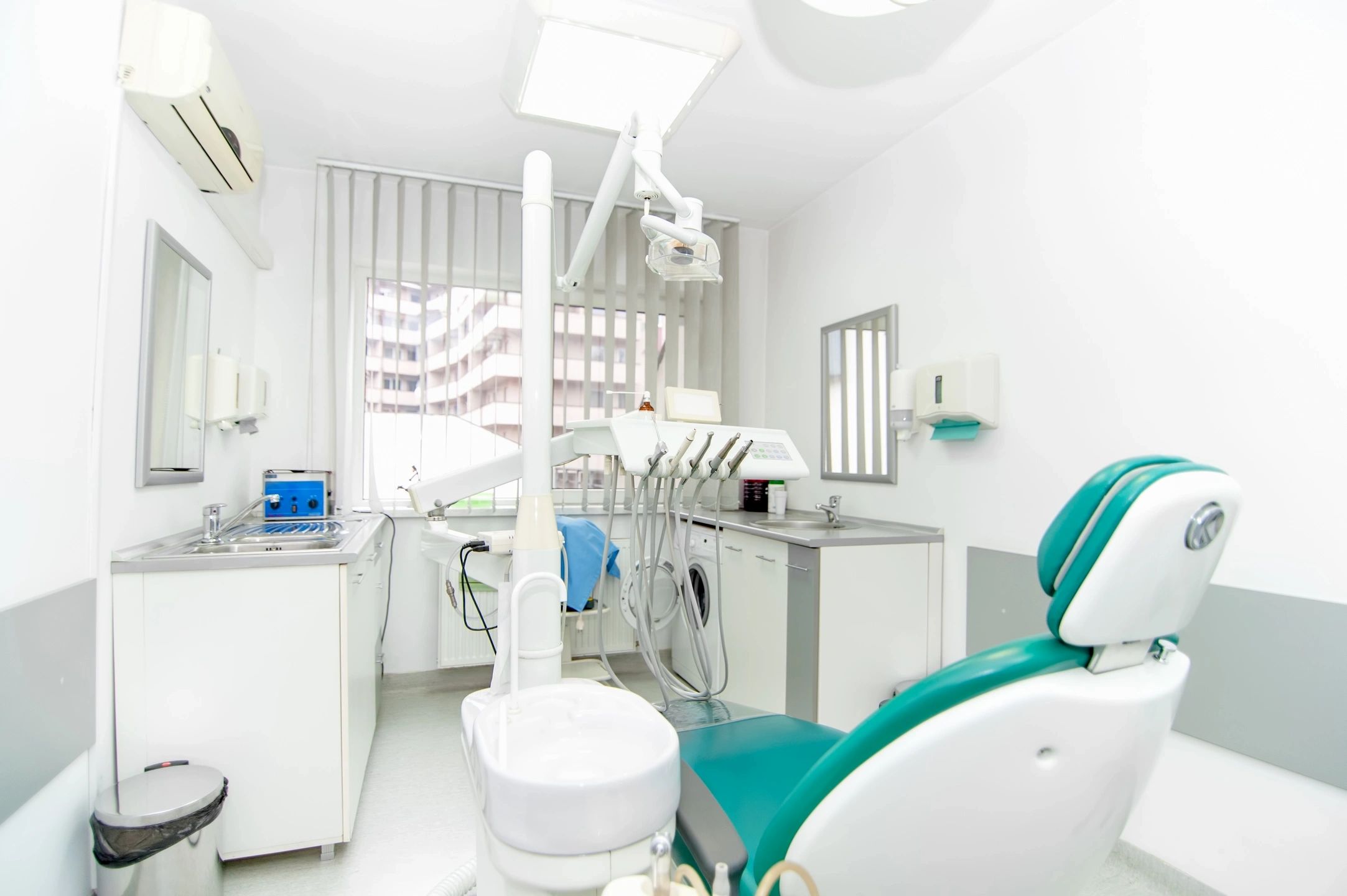
The physical layout of a modern dental operatory often places computer monitors right next to the patient chair. If a monitor displays a previous patient’s digital charting, panoramic X-rays, or scheduling data while another patient is walking in or sitting in the chair, it constitutes an unauthorized disclosure of Protected Health Information (PHI).
3. Missing Business Associate Agreements (BAAs)
Dental practices rely heavily on specialized third-party vendors, including dental practice management software (e.g., Dentrix, Eaglesoft), IT support providers, and digital imaging cloud services. If these vendors touch, store, or transmit your patient data and you do not have a signed Business Associate Agreement (BAA) on file, your practice is operating in direct non-compliance.
Actionable Safeguards for a Defensible Dental Practice
To transition your office from vulnerable to audit-ready, you must implement three foundational physical, administrative, and technical controls immediately:
- Install Monitor Privacy Filters: Equip all operatory and front-desk computer screens with physical privacy filters. This ensures that data is only visible to the staff member standing directly in front of the screen, eliminating accidental visual disclosure to patients in adjacent spaces.
- Execute Comprehensive Risk Analyses: HIPAA mandates that every covered entity perform a formal, documented Security Risk Analysis (SRA). You cannot protect your network if you have not actively mapped out where your patient data is stored, backed up, and transmitted.
- Train Dental Staff Annually: From dental hygienists to front-office schedulers, your entire workforce must undergo documented HIPAA training. A significant percentage of dental data breaches result from simple employee mistakes, such as clicking a phishing link or releasing records to the wrong family member.
Defend Your Practice
Operating a busy dental practice requires balancing patient care with strict administrative oversight. Ignoring regulatory obligations because you run a smaller clinic is no longer a viable operational strategy. The OCR does not grant exemptions based on practice size.
Are your digital charting workflows, employee training logs, and IT vendor contracts fully audit-ready? Colington Consulting provides tailored, evidence-based compliance programs specifically designed to protect dental offices from operational liability and costly federal penalties.
Schedule a 30-Minute HIPAA Risk Review and protect your dental practice.
- Reviewed By: Jay Hodes, President – Colington Consulting, HIPAA Compliance Expert
- Regulatory Sources: U.S. Department of Health and Human Services (HHS) Enforcement Data; HIPAA Security Rule (45 CFR Part 160 and Part 164, Subparts A and C).
- Disclaimer: The information provided in this article is for educational and informational purposes only and does not constitute formal legal advice or an official regulatory determination. For specific guidance regarding your organization’s unique operational workflows, consult directly with a HIPAA compliance specialist or legal counsel.
